

Snow Expedition Training (3-Day/2-Night)
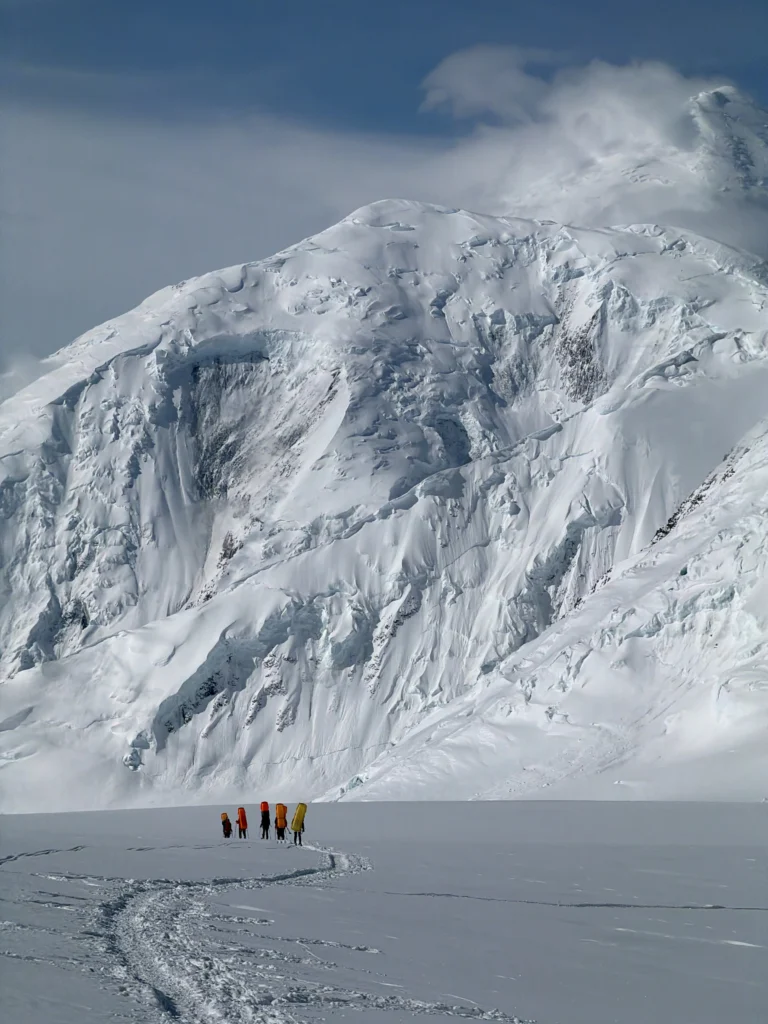
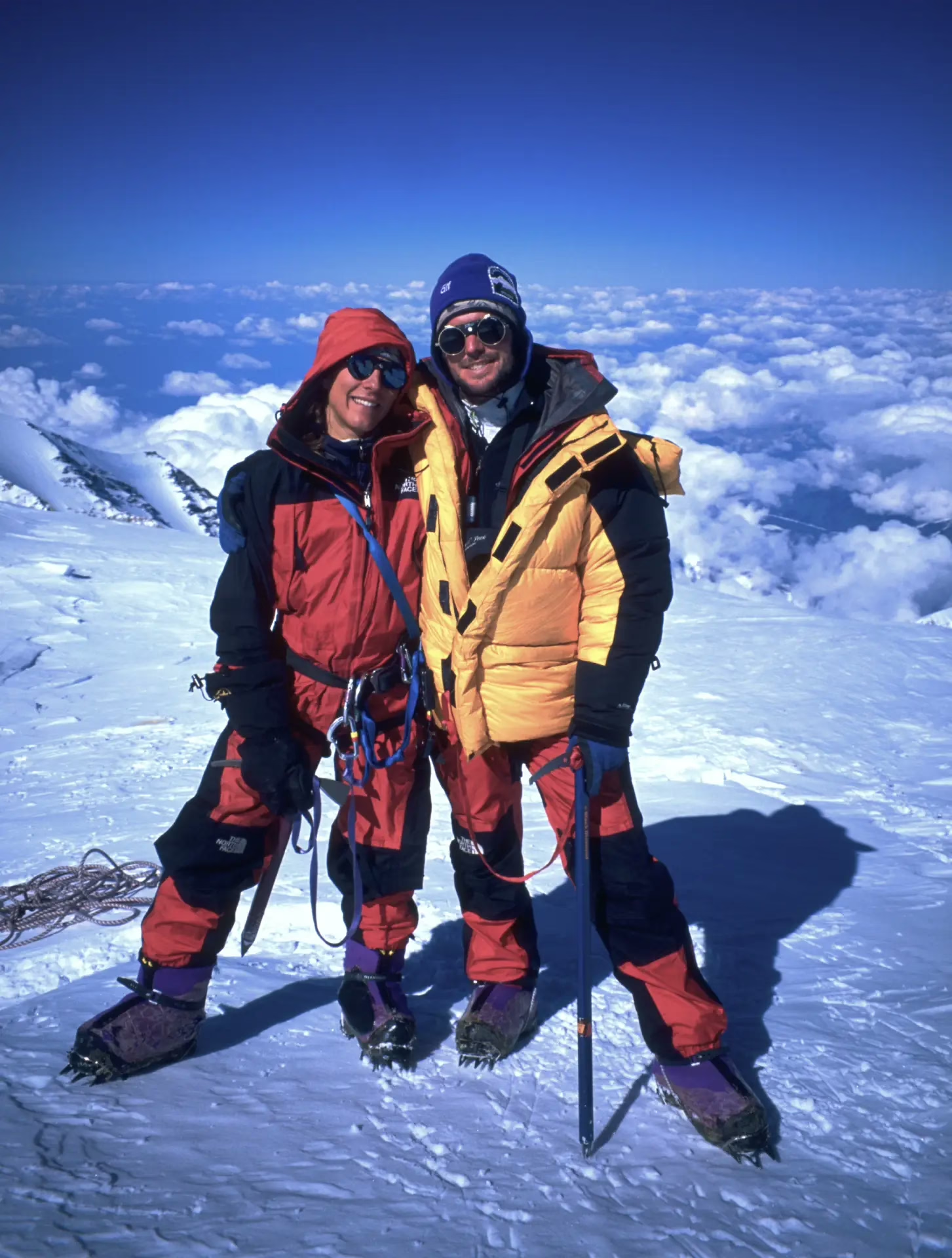
Prepare in the high, wintry Wasatch for cold, snowy high-peak expeditions, including Denali, Logan, Vinson and other polar trips, with UMA’s 3-day/2-night Snow Expedition Training. Build snow mountaineering, expedition and winter camping skills, pull a sled and attempt an 11,000′ peak with a friendly, professional UMA expedition guide. Common climbing objectives include Red or White Baldy and Red Top in White Pine Gulch.
Course Dates
- Mar 11-13, 2027 (Thursday-Saturday)
What Our Guests and Students Say
During UMA’s 3-day Snow Expedition Training, you’ll learn to efficiently load and carry a multi-day pack, rig and tow a sled, and route-find while minimizing risk in avalanche terrain. The course covers how to establish a storm-proof camp with a well-anchored tent, melt snow for water, cook and dial in your sleeping systems in a cold, snowy environment.
Over 3 days, you’ll learn to set up a raising system for crevasse rescue and practice ascending a rope; and apply ice-axe and crampon skills while attempting a high peak, using rock and snow protection for running belays and anchors. The guide will also set up a fixed line to practice with ascenders and clip through pickets.
Overnight Denali Training (3-Day) Outcomes
- Efficient loading and carrying of an expedition pack
- Sled rigging and hauling with snowshoes or skis
- Route-finding and avalanche safety
- Establishing a solid snow camp with tent anchors and snow walls
- Cooking and comfort in a cold, snowy environment
- Ice axe and crampons skills, including self-arrest
- Crampon climbing on snow and rock in exposed terrain
- Snow anchors and equalizing
- Glacial travel, crevasse rescue and raising systems
- Use of running protection and clipping through
- Fixed line travel and use of ascenders
- Descending steep snow
Trip dates don’t fit your schedule?
Any of our pre-scheduled courses and trips can be run as custom outings. If you’re interested in a course but the dates don’t fit your schedule, please check out our private guiding options.
Course Prerequisites
- Camping and altitude experience are recommended.
Skill & Fitness Level
- You must be able to hike at altitude (between 8,000′ and 10,000′).
- This is an intermediate course.
This 3-day overnight course takes place in the Wasatch Mountains. Participants are expected to bring their own winter sleeping bag, inflatable pad, expedition backpack, lunches, snacks and water. UMA provides dinners and breakfasts, stove, cook kit, sled and tent.
SCHEDULE & MEETING LOCATION
The usual meeting time and place are 7 am at the UMA Office in Cottonwood Heights, but this is subject to change. Exact meeting times and locations will be provided to enrolled participants before the course date.
GUIDE/INSTRUCTOR
You will receive a reminder with the contact information for your guide/instructor. They will contact you to confirm meeting time and location, as well as weather considerations and equipment needs.
TRANSPORTATION & PARKING
Transportation will not be provided. Most canyon parking lots require a parking fee.
How To Register
- Register Online
- Call us at (801) 550-3986
- Email us at uma@utahmountainadventures.com
UMA reserves the right to cancel or shorten the course if fewer than 2 participants register.
Snow Expedition Training (3-Day/2-Night) EQUIPMENT LIST
- Non-cotton top and bottom base layers
- Puffy, hooded overcoat and/or other insulation layer (synthetic or down)
- Waterproof/windproof outer shell jacket and pants
- Wool socks (3 pairs)
- Waterproof snow gloves and mittens or spare gloves
- Lightweight climbing and/or fleece gloves
- Warm hat or balaclava for under your helmet
- Baseball cap (optional)
- Sunglasses and goggles
- Sunscreen
- 2 liters of water
- Lunches, quick energy snacks and drink mixes
- Insulated and waterproof mountaineering boots
- Gaiters (optional)
- Mountaineering crampons (non-rigid, 10-point lightweight designs are ideal)
- Mountaineering axe
- Backpack (70+ liters)
- Sleeping bag (rated to 0°F or colder)
- Inflatable backpacking sleeping pad
- Lightweight foam sleeping pad
- Down booties (optional)
- Mug, bowl and spoon
- Headlamp with fresh batteries
- Toiletries
- Harness
- Belay device
- Helmet
- Beacon
- Shovel
- Probe
- Snowshoes and poles (depending on conditions)
Please see our Winter/Spring Mountaineering Gear List & Rentals page for information on the items UMA provides and local shops where you can rent or purchase gear.
Recommended Books
Mountaineering: The Freedom of the Hills by The Mountaineers
Recommended Map
Hiking The Wasatch: The Official Wasatch Mountain Club Trail Map for Tri-County Area by the Wasatch Mountain Club & University of Utah Press
Please see the Mountaineering section on our main FAQ page for common course questions.
What type of crampons should I use?
10-point, hinged, flexible, lash-on spikes made of light metal (including aluminum) are ideal and adaptable to almost any boot. Step-in crampons are fine, but they won’t fit on softer boots that lack heel and toe rands for attachment. 12-point water-ice crampons are fine, but heavier than necessary.
What type of ice axe and leash is best?
A mountaineering axe usually has a straight shaft (as opposed to the radically curved shafts and reverse-droop picks designed specifically for water-ice and mixed climbing). Some newer mountaineering axes include a bend only in the upper shaft, and this is fine. Preferred length is 50-75 cm.
Given that many Wasatch routes are on a mix of rock, ice, and snow, a shorter axe is easier to stow for pure rock moves. For this reason, a RETAINER leash connected to the harness is required so the tool can’t be dropped. The best type is a 5′ long, single-strand of 1/2″ webbing attached with a water knot on the pick side of the axe head. Wrist loops are for steep ice and are NOT helpful for mountaineering.
How old do I need to be to join this program?
Participants must be at least 14 years of age to join a group course and must be accompanied by a parent for any overnight program.
Where do I meet my guide?
The guide will arrange a specific meeting location and time with you. Most commonly, this location is the UMA Office in Cottonwood Heights.